AI Content for Fashion E-commerce: 5 Strategies That Work
Discover 5 proven strategies for using AI in fashion content creation. From storytelling to product descriptions: a practical guide for brand managers.
AI Content Generation for Fashion: Beyond Standard Descriptions
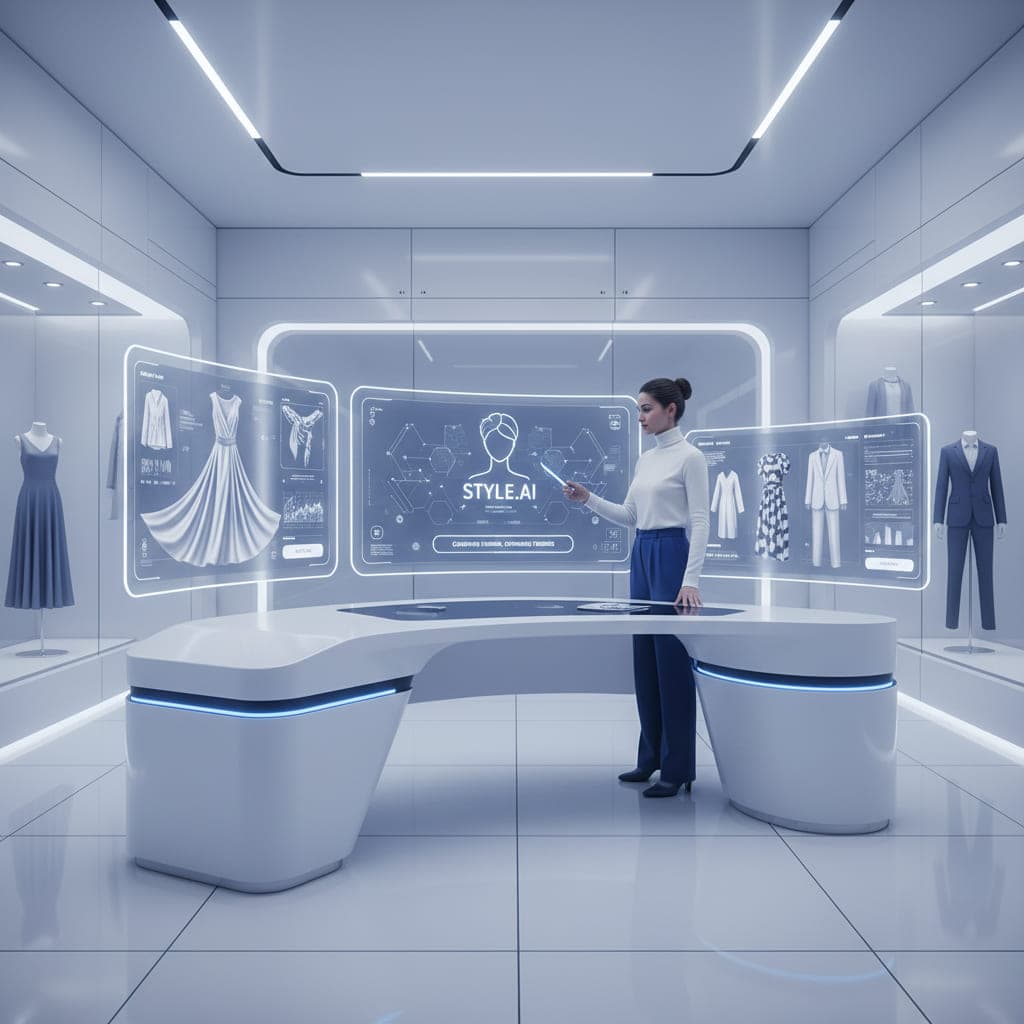
In the increasingly competitive landscape of fashion e-commerce, the difference between a product that sells and one that sits unsold often lies not in its intrinsic quality, but in how it is presented and communicated. AI content generation is emerging as one of the most significant innovations for radically transforming this aspect of digital business, offering unprecedented opportunities to create authentic connections with customers.
But beware: using AI to generate generic, personality-free text is worse than not using it at all. The real challenge is integrating AI as an amplifier of the brand's voice, not as a replacement for human creativity. Here are 5 concrete strategies that actually work.

1. Contextual Storytelling: from Product to Experience
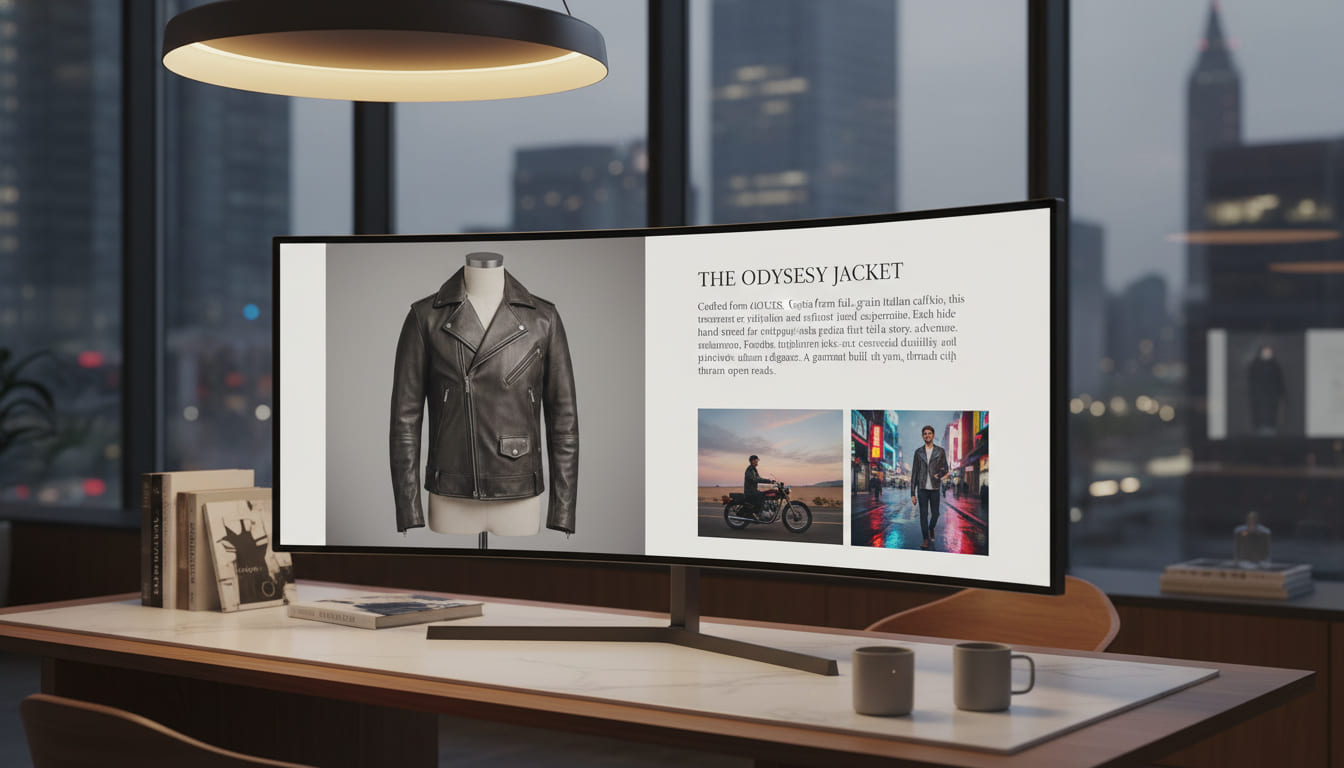
A jacket is not just fabric and buttons — it is the feeling of confidence on a rainy evening, the style that draws compliments on a first date. AI excels at creating these contextual narratives because it can analyze thousands of similar products and identify the emotional angles that convert best for each category.
With platforms like Katapic, you can generate descriptions that combine technical specifications (material, fit, care) with emotional storytelling calibrated to your target audience. No more "blue cotton jacket" but a narrative that makes the product feel like a lifestyle choice.
2. Multi-Audience Personalization
The same product speaks to different audiences in different ways. A premium sneaker has one message for the collector (exclusivity, limited edition), another for the athlete (performance, cushioning), and yet another for the fashion-forward buyer (trends, styling). AI can generate variants of the same content optimized for each segment, multiplying catalog effectiveness without multiplying the workload.
Brands that personalize product descriptions by audience segment see a conversion rate increase of up to 30%, according to a Dynamic Yield 2025 report.
3. Advanced Semantic SEO in Descriptions
AI does not just insert keywords — it understands semantic context. A description generated with advanced AI naturally includes long-tail variants, synonyms, and related phrases that improve Google rankings without compromising readability. This semantic SEO approach is particularly effective in fashion, where consumers search using highly varied terms ("cocktail dress", "elegant wedding outfit", "long formal evening gown").
4. Native Multilingual Content, Not Translations
Machine-translating a fashion description is almost always a disaster — it loses nuance, tone, and cultural appeal. Modern AI generates native content in every language, adapting not just the words but the register, cultural references, and communication style. With Katapic, descriptions in 5 languages are generated simultaneously, each crafted for the target market.
5. Automated A/B Testing of Content
The most underrated advantage of AI is the speed of iteration. Generate 3 variants of a description, test which converts best, scale the winner across similar products. This continuous optimization cycle was unthinkable with manual content — with AI it becomes a daily practice that constantly improves catalog performance.
The Golden RuleAI generates 90% of the content in a tenth of the time. The brand manager invests the saved time in the 10% that makes the difference: the brand voice, the detail that creates emotion, the insight that only someone who knows the product can add. This human-AI synergy is the winning formula for fashion content marketing in 2026.
Frequently asked questions
- How does AI content generation improve product descriptions in fashion e-commerce?
- AI can analyze thousands of similar products to identify emotional angles that convert best, combining technical specifications with contextual storytelling tailored to a specific target audience. This transforms generic descriptions into narratives that position a product as a lifestyle choice rather than just a physical item.
- Can AI generate product content for multiple audience segments without multiplying the workload?
- Yes. AI can produce variants of the same product description optimized for different segments — such as collectors, athletes, or fashion-forward buyers — each with a distinct message. According to a Dynamic Yield 2025 report referenced in the article, brands that personalize descriptions by audience segment see conversion rate increases of up to 30%.
- Why is native multilingual AI content better than machine translation for fashion brands?
- Machine translation typically loses the nuance, tone, and cultural appeal essential to fashion communication. Modern AI generates content natively in each target language, adapting not just vocabulary but also register, cultural references, and communication style for each market.
- What role does the human brand manager play when using AI for content creation?
- According to the article, AI generates approximately 90% of the content in a fraction of the usual time, freeing the brand manager to focus on the remaining 10% — the brand voice, emotional details, and product insights that only a human with direct knowledge of the product can contribute.
- How does AI support SEO for fashion product listings?
- Rather than simply inserting keywords, advanced AI understands semantic context and naturally incorporates long-tail variants, synonyms, and related phrases. This is especially valuable in fashion, where consumers use highly varied search terms such as 'cocktail dress,' 'elegant wedding outfit,' or 'long formal evening gown.'