AI and Inclusive Fashion: Sizing, Diversity, and Representation in 2026
How AI is transforming inclusive fashion: from visual representation to adaptive sizing. The future of e-commerce is for everyone.
AI and Inclusive Fashion: Representation for All in E-commerce
Inclusivity in fashion is no longer a "nice to have" — it is a business imperative. 67% of millennial and Gen Z consumers say they choose brands that show real diversity in their communications. But for small and medium e-commerce businesses, creating photo shoots with models of different sizes, ethnicities, and abilities is prohibitively expensive. This is where AI is democratizing representation in fashion e-commerce.
Artificial intelligence enables the generation of inclusive product visualizations at scale, breaking down the economic barriers that have historically limited diversity in fashion marketing.
The Economic Barrier to Inclusivity
A photo shoot with a single model costs 500-2,000 euros. Multiplying that by 4-5 different models (sizes, ethnicities, ages) makes the cost prohibitive for most fashion SMBs. The result? Catalogs show a single body type and a single representation, alienating the majority of potential customers who do not see themselves reflected.
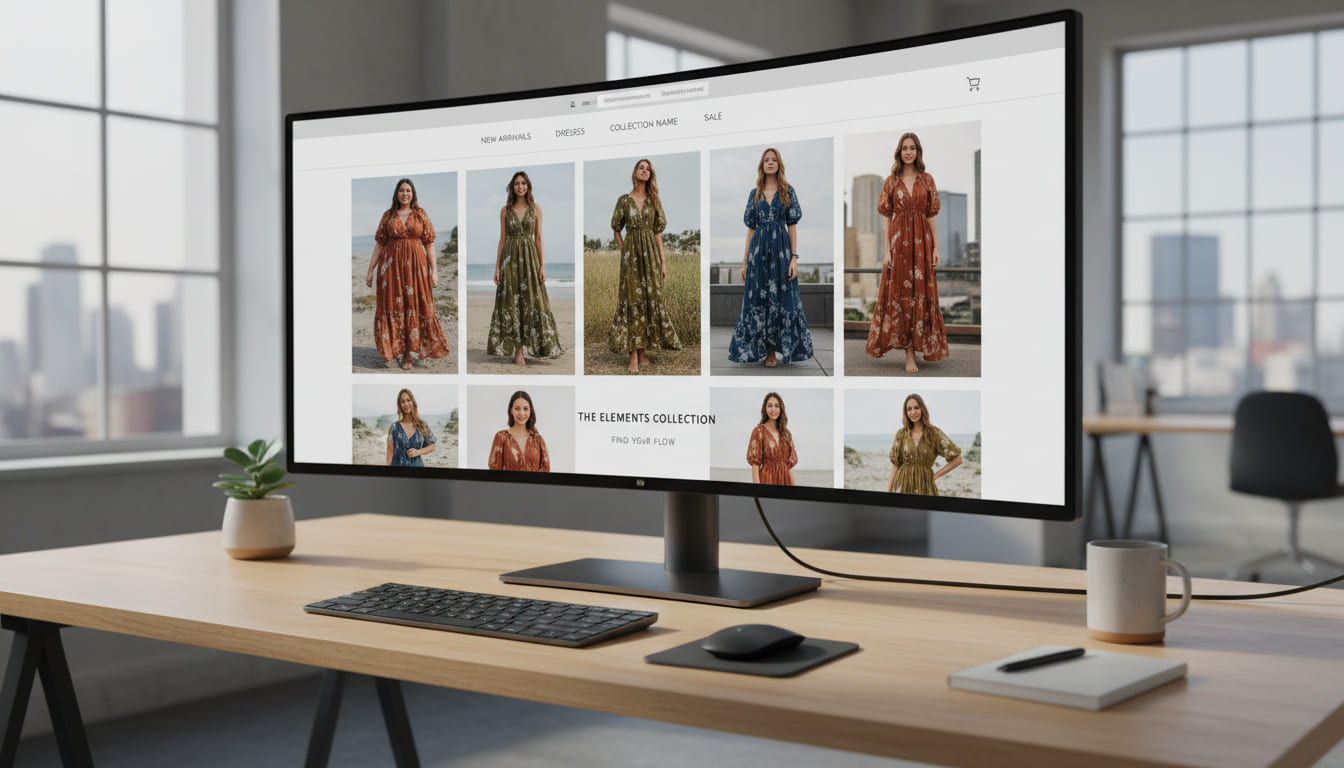
AI changes this equation. Visual generation tools can create variants of a product worn by different models, starting from a single photo shoot. With Katapic's AI Studio, settings and contexts are generated automatically, allowing even the smallest brands to offer inclusive representation.
The plus-size fashion market grew by 18% in 2025, reaching 288 billion dollars globally. Ignoring this segment is not just an ethical mistake, it is a business mistake.
Inclusive Sizing and AI: Smart Fit Guides
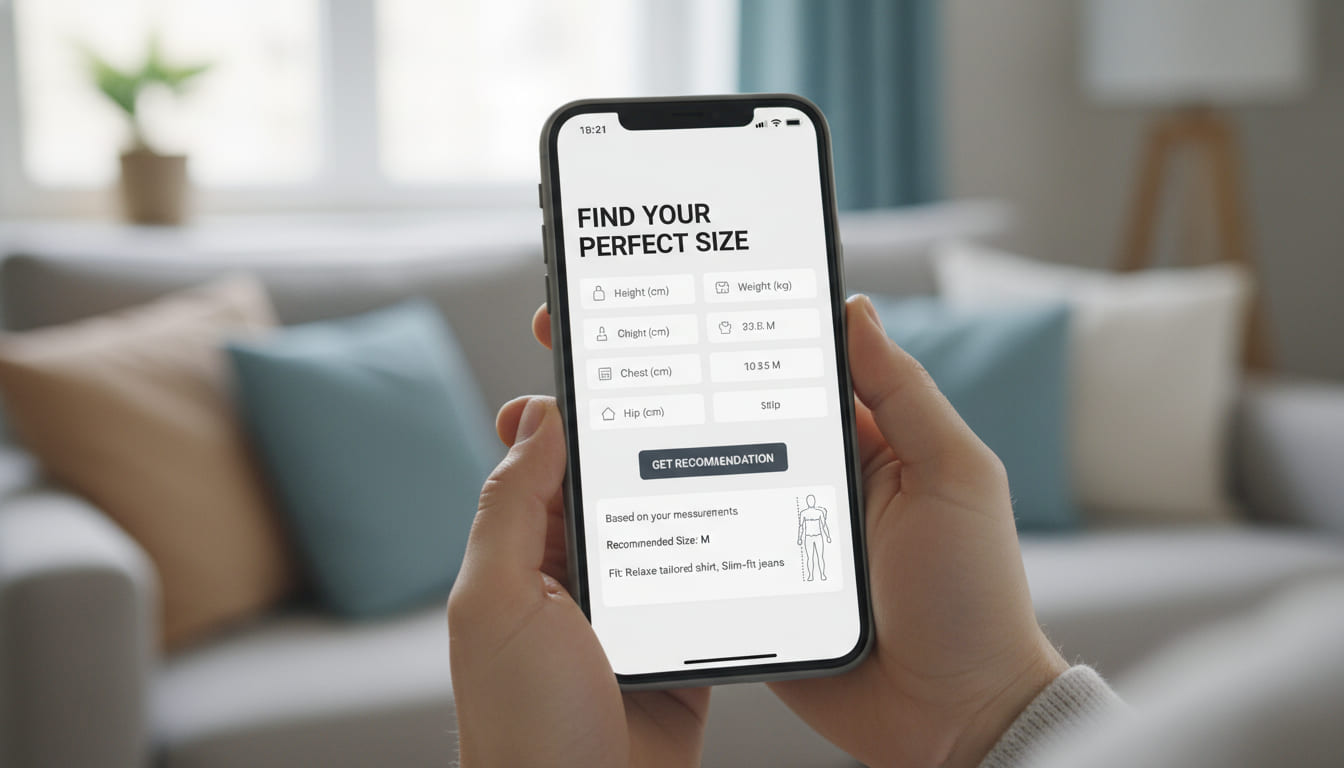
AI goes beyond images. AI-powered size recommendation systems analyze customer measurements, purchase history, and return patterns to suggest the perfect size. The result is a 20-30% reduction in returns — a direct impact on profitability, as well as customer satisfaction.
AI-generated product descriptions can automatically include fit notes calibrated for different body types: "fitted on sizes S-M, relaxed on sizes L-XL" — information that transforms a frustrating shopping experience into an informed choice.
Digital Accessibility and AI
Inclusivity goes beyond sizing. AI improves e-commerce accessibility by automatically generating descriptive alt text for images (essential for visually impaired users), creating descriptions that include sensory information (texture, weight, closure sounds), and adapting language to be clear and understandable for everyone.
Best Practices for an Inclusive E-commerce with AI
- Generate visual product variants on diverse models with AI Studio
- Implement AI-powered size recommendations based on real data, not generic charts
- Include fit notes for different body types in AI-generated descriptions
- Generate automatic descriptive alt text for all images
- Test the shopping experience with diverse users to identify barriers
Inclusivity is not just ethical — it is strategy. Brands that represent real diversity in their catalogs see 28% higher social engagement and higher loyalty rates. With AI, implementation costs are a fraction of traditional ones. There are no more excuses for not being inclusive.
Frequently asked questions
- How does AI help small fashion brands achieve diverse model representation affordably?
- AI visual generation tools can create product variants shown on models of different sizes, ethnicities, and ages starting from a single photo shoot. This removes the need for multiple costly shoots, which can run 500–2,000 euros per model, making inclusive representation accessible to fashion SMBs.
- Can AI reduce product return rates in fashion e-commerce?
- Yes. AI-powered size recommendation systems that analyze customer measurements, purchase history, and return patterns can reduce returns by 20–30%, directly improving profitability and customer satisfaction.
- How does AI improve digital accessibility in fashion e-commerce?
- AI can automatically generate descriptive alt text for images to support visually impaired users, produce descriptions that include sensory details such as texture and weight, and adapt language for clarity and broad comprehension.
- What is the business case for investing in inclusive fashion e-commerce?
- Brands that represent real diversity in their catalogs report 28% higher social engagement and stronger customer loyalty. Combined with the 288-billion-dollar plus-size market and the consumer preference data, the article frames inclusivity as a strategic business decision, not just an ethical one.
- What practical steps can a brand take to build a more inclusive e-commerce experience using AI?
- The article recommends generating visual product variants on diverse models with AI tools, implementing AI-powered size recommendations based on real customer data, including fit notes for different body types in product descriptions, generating automatic alt text for all images, and testing the shopping experience with diverse users to identify remaining barriers.