E-commerce Hyper-Personalization 2026: Tailored AI Strategies
AI hyper-personalization is transforming e-commerce in 2026. From dynamic homepages to predictive recommendations: concrete strategies for every budget.
Hyper-Personalization 2026: Every Customer Deserves a Tailored E-commerce
In 2026, consumers no longer tolerate generic shopping experiences. 78% say they are more likely to purchase from brands that offer personalized experiences, and 66% expect the company to understand their needs without having to state them explicitly. AI hyper-personalization is no longer a luxury reserved for large retailers — it has become the baseline e-commerce experience that customers take for granted.
But what does "hyper-personalization" really mean in 2026? It goes far beyond the classic "recommended products for you." It means an entire e-commerce ecosystem that adapts in real time to each visitor.
Dynamic Homepages: Every Visitor Sees a Different Site
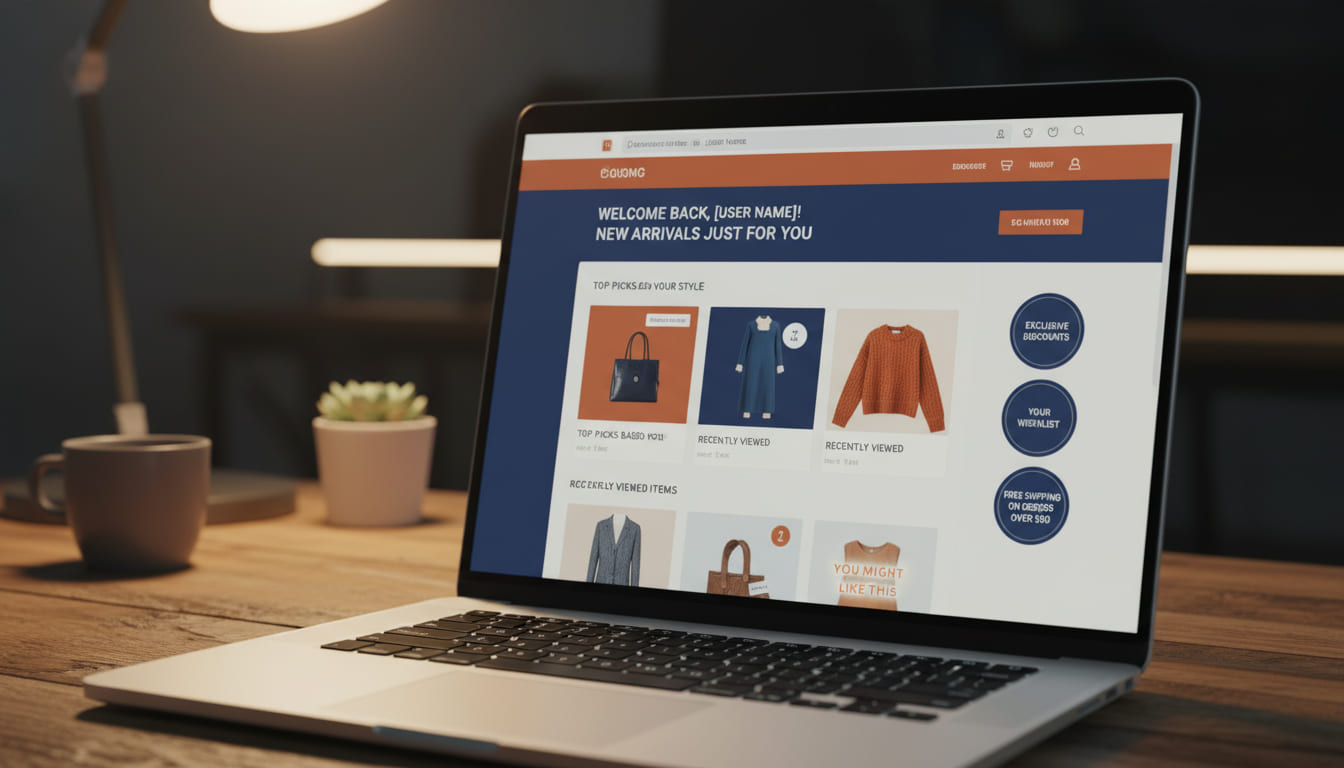
Static homepages are dead. In 2026, AI systems analyze visitor behavior (origin, browsing history, time of day, device, local weather) and recompose the page in real time: different banners, different featured categories, different hero products. A customer who browsed handbags last week sees handbags front and center on their return. A new visitor sees the bestsellers for their geographic area.
Predictive Recommendations, Not Just Reactive Ones
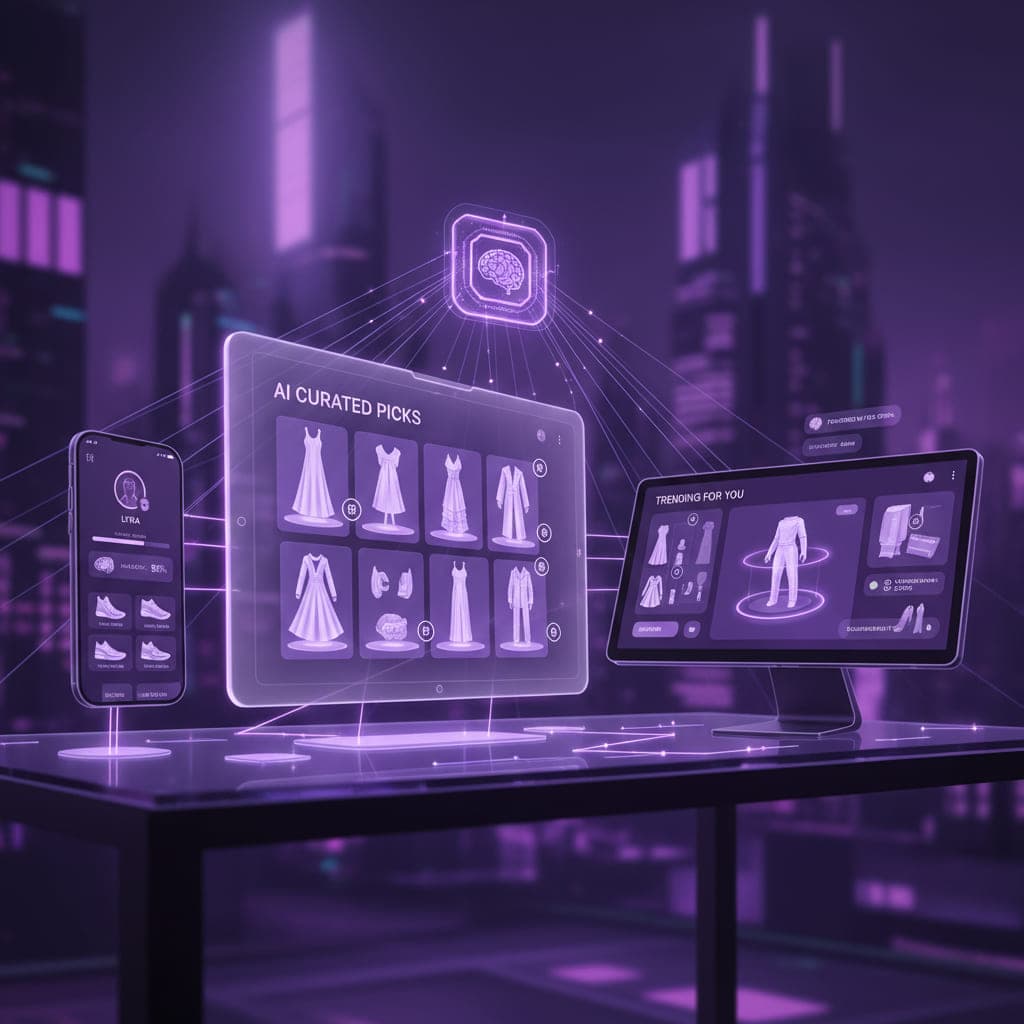
Traditional recommendation systems are reactive: "you viewed X, here are similar products." Predictive AI in 2026 anticipates needs. If a customer purchased a formal dress, the system proactively suggests matching accessories, knowing that 73% of customers in that segment buy them within 7 days. This proactive approach increases average order value by 15-25%.
The Role of the Catalog in Personalization
A personalization system is only as strong as the data it is built on. If your catalog has incomplete attributes, AI cannot effectively personalize recommendations. A product without style attributes, occasion of use, or seasonality cannot be recommended in the right context.
Platforms like Katapic solve this problem at the root: the AI Scanner automatically extracts dozens of attributes from every product, creating the rich data foundation that powers effective personalization. Without complete catalog data, even the best personalization engine is working with one hand tied behind its back.

Communication Personalization
Email, push notifications, in-app messages — every touchpoint becomes a personalization opportunity. AI determines the best time to send, the most relevant content, and the most effective tone for each individual customer. AI-personalized emails have 40% higher open rates compared to generic newsletters and 3x higher conversion rates.
Privacy and Personalization: Striking the Balance
Hyper-personalization must respect privacy. Consumers appreciate personalized experiences but distrust surveillance. The key is transparency: explain how you use data, offer control over preferences, and ensure that personalization adds real value, not just the impression of being "spied on."
Getting Started with PersonalizationYou do not need to implement everything at once. Start with the catalog: ensure every product has complete and standardized attributes. Then add basic recommendations ("customers who bought X also bought Y"). Finally, scale toward dynamic personalization. Each step delivers measurable results in conversions and average order value.
Frequently asked questions
- What does hyper-personalization mean in e-commerce in 2026?
- Hyper-personalization in 2026 means an entire e-commerce ecosystem that adapts in real time to each visitor, going far beyond simple product recommendations. It includes dynamic homepages, predictive recommendations, and personalized communication across every touchpoint such as email, push notifications, and in-app messages.
- Why is complete product catalog data critical for AI personalization?
- A personalization system is only as strong as the data it is built on. If a product lacks attributes such as style, occasion of use, or seasonality, the AI cannot recommend it in the right context, making even the most advanced personalization engine ineffective.
- How do predictive AI recommendations differ from traditional recommendation systems?
- Traditional systems are reactive, suggesting products similar to what a customer has already viewed. Predictive AI anticipates future needs — for example, proactively suggesting matching accessories after a formal dress purchase, based on the purchasing patterns of similar customers.
- How can brands balance hyper-personalization with consumer privacy concerns?
- The article emphasizes transparency as the key: brands should explain how customer data is used, offer users control over their preferences, and ensure that personalization delivers genuine value rather than creating a sense of being surveilled.
- How should a business get started with e-commerce personalization?
- The recommended approach is incremental: first ensure every product in the catalog has complete and standardized attributes, then implement basic collaborative recommendations, and finally scale toward fully dynamic real-time personalization. Each step delivers measurable improvements in conversions and average order value.