
Fashion Retail Inventory and AI: Reduce Waste and Boost Sales
Predictive AI is transforming inventory management in fashion retail. Discover how to reduce overstock by 30% and stockouts by 25% with data and automation.
Predictive AI for Fashion Inventory: the End of Waste
Inventory management is the Achilles' heel of fashion retail. At the same time, retailers lose 4% of revenue to stockouts — products requested by customers but not available. Predictive AI is finally offering a way out of this fashion inventory paradox.
Unlike traditional systems based on historical averages, AI analyzes hundreds of variables in real time to forecast demand with unprecedented accuracy.
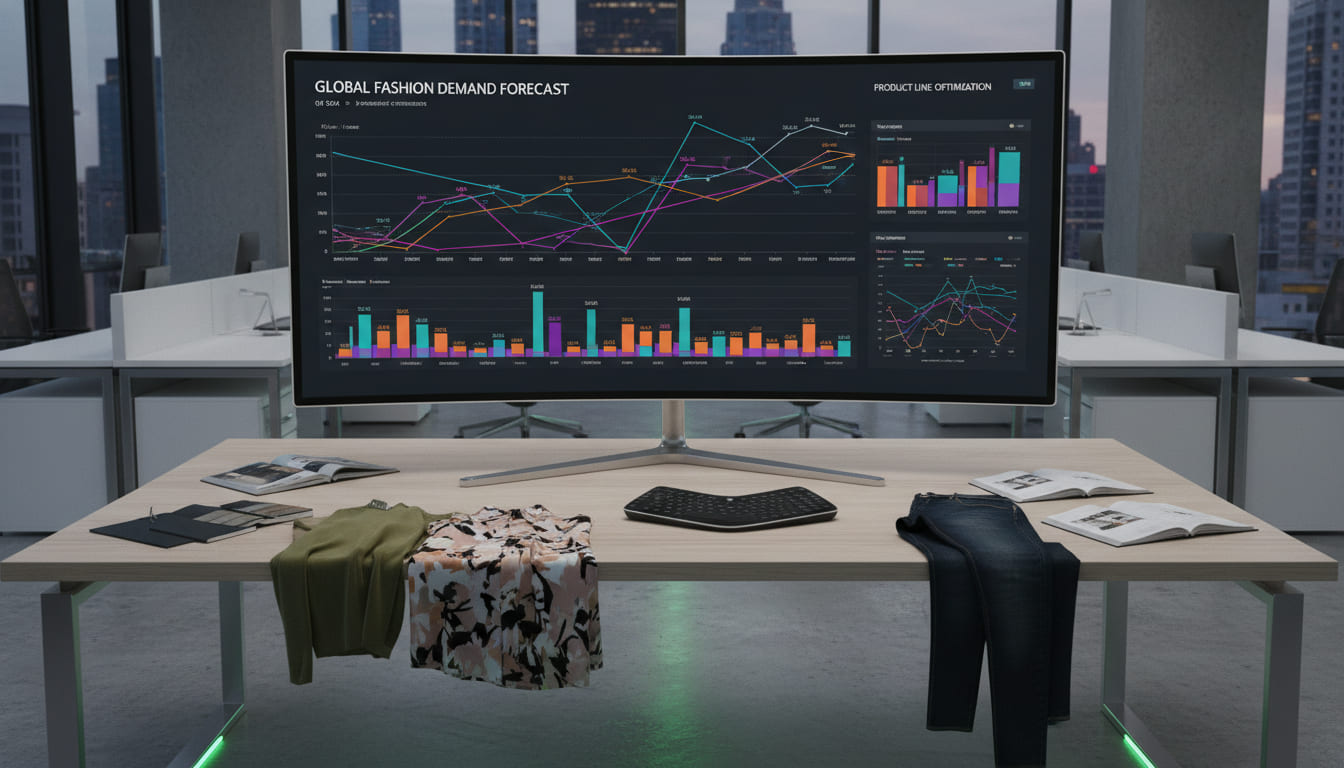
How AI Predicts Demand in Fashion
Modern predictive models do not just look at sales history. They integrate weather data (a mild winter reduces demand for coats), social media trends (a viral TikTok item generates demand spikes in 48 hours), local events (festivals, weddings, ceremonies), and even macroeconomic data such as consumer confidence.
This multi-source analysis capability enables forecasts with a margin of error of 5-10%, compared to 20-30% with traditional methods. In concrete terms, it means ordering the right quantity of the right product — neither too much, nor too little.
From Forecasting to Cataloging: AI's Role in the Workflow
Inventory optimization is not just about demand forecasting — it starts with cataloging. A well-cataloged inventory, with precise and standardized attributes, is the prerequisite for any effective predictive analysis. If your product listings have missing or inconsistent attributes, no algorithm can make accurate predictions.
This is why tools like Katapic play a key role in the chain: automated AI cataloging ensures that every product has complete and standardized attributes (category, subcategory, season, color, material, price range), creating the clean data foundation on which predictive systems can operate effectively.
Dynamic Collection Management
AI also enables optimizing the lifecycle of collections. By analyzing sell-through velocity in the first few weeks, the system can identify "winner" products (to reorder immediately) and "losers" (to put on promotion before it is too late). This dynamic management reduces the time unsold products occupy warehouse space and frees up capital.
Gradual Implementation for Fashion SMBs
You do not need an enterprise budget to get started. The recommended approach for SMBs is gradual:
- Phase 1: Standardize the catalog with complete attributes (AI cataloging)
- Phase 2: Implement per-SKU sales tracking with analytics dashboards
- Phase 3: Integrate AI demand forecasting for top categories
- Phase 4: Automate reorders and AI-based stock alerts
An AI-optimized inventory means less waste, less tied-up capital, happier customers who find what they are looking for, and better margins because fewer products are sold at a discount. The technology is mature, the costs are accessible — the time to act is now.
Frequently asked questions
- What data sources does predictive AI use to forecast fashion demand?
- Predictive AI models integrate sales history, weather data, social media trends, local events such as festivals and weddings, and macroeconomic indicators like consumer confidence to generate accurate demand forecasts.
- Why is product catalog quality important for AI-driven inventory management?
- A well-cataloged inventory with complete and standardized attributes — such as category, season, color, material, and price range — is the prerequisite for effective predictive analysis, because missing or inconsistent data prevents algorithms from making accurate predictions.
- Can small and mid-sized fashion retailers afford to implement AI inventory tools?
- Yes. The article recommends a gradual four-phase approach for SMBs, starting with catalog standardization and analytics dashboards before progressing to AI demand forecasting and automated reordering, making adoption accessible without an enterprise budget.
- How does AI help manage the lifecycle of fashion collections?
- By analyzing sell-through velocity in the first weeks of a collection, AI identifies top-performing products to reorder immediately and underperforming ones to promote early, reducing the time unsold inventory occupies warehouse space and freeing up capital.