
How to Simplify E-commerce Inventory Management with AI
E-commerce inventory management does not have to be a nightmare. Discover how AI simplifies tracking, multi-channel syncing, and error prevention.
E-commerce Inventory Management: from Nightmare to AI Automation
For every e-commerce business, inventory is the operational heartbeat. But managing it manually becomes a nightmare when you sell on multiple channels (your own site, Amazon, marketplaces), have hundreds of SKUs with variants (sizes, colors), and must update stock levels in real time to avoid overselling. A single inventory error — selling a product that is out of stock — costs an average of 22 euros between refund, return shipping, and reputational damage.
AI transforms this complexity into a manageable, semi-automated system. It is not just about counting stock, but about creating an intelligent ecosystem that prevents errors, optimizes orders, and keeps data consistent across all channels.

The 3 Pillars of AI Inventory Management
1. Real-Time Multi-Channel Synchronization
Selling on Shopify, Amazon, and your own site? AI keeps stock levels synchronized in real time across all channels. When a product is sold on Amazon, stock is instantly updated on the other channels, eliminating the risk of overselling.
2. Smart Alerts and Automatic Reordering
AI does not wait until the warehouse is empty to alert you. By analyzing sell-through velocity and supplier lead times, it generates proactive alerts: "Product X will sell out in 5 days, the supplier takes 7 days for delivery — order now." Some systems can even generate the order automatically.
3. Standardized Attribute Cataloging
Effective inventory requires clean data. If the same product is cataloged as "Navy Blue" on one channel and "Blue" on another, synchronization fails. Tools like Katapic automatically standardize attributes during cataloging, ensuring consistency across all channels.
According to an IHL Group report, inventory errors cost global retail 1.1 trillion dollars annually from stockouts and overstock combined. AI can reduce this figure by 30-40%.
Variant Management: the Fashion Case
In fashion, a single shoe model can have 8 sizes, 5 colors, and 2 widths: 80 variants. Multiplied by 200 models in the catalog, that is 16,000 SKUs to track. Manual management is impossible without errors. AI automatically manages the variant matrix, monitoring stock per individual size-color combination and aggregating data for visibility at the model level.
Reporting and Analytics for Data-Driven Decisions
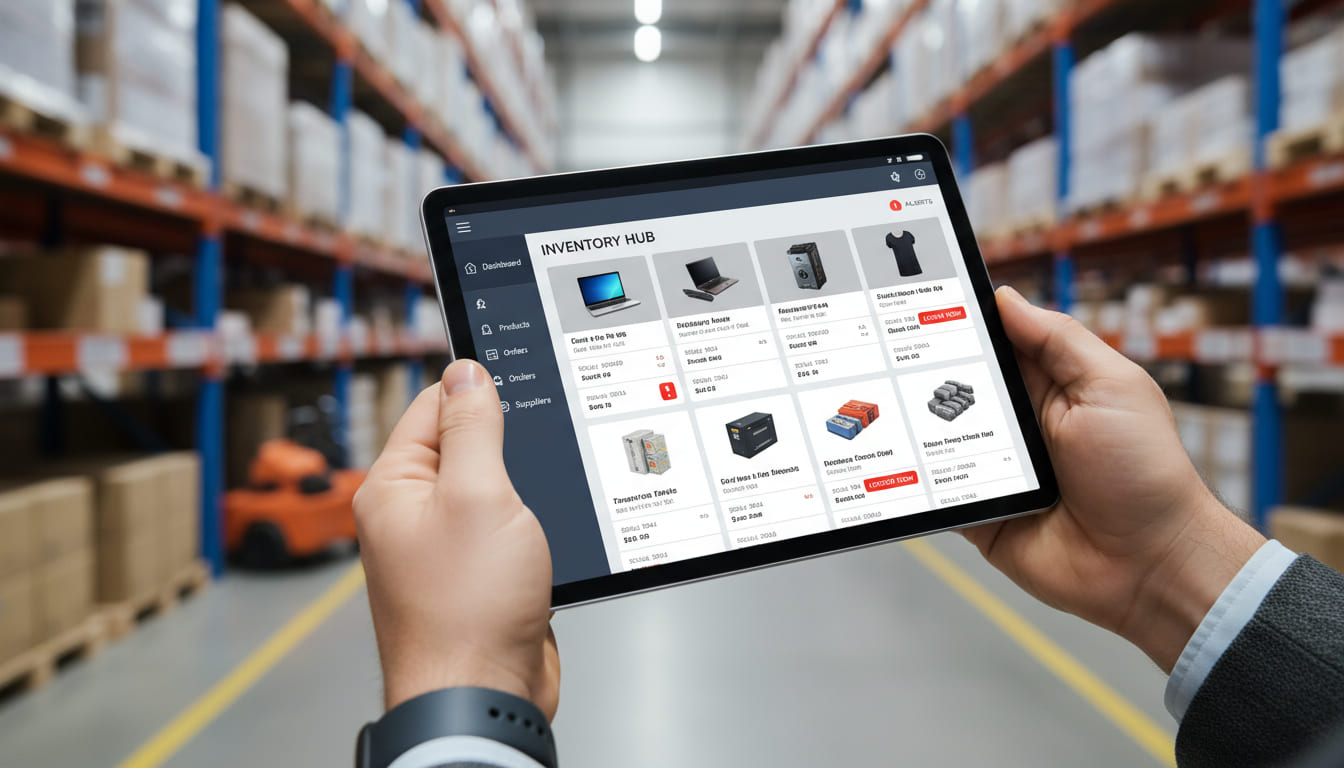
AI does not just track — it analyzes. Automated dashboards show best-selling products, those with the best margins, seasonal trends, and obsolescence risks. This intelligence, previously accessible only to businesses with dedicated business intelligence teams, becomes available to any e-commerce store with a minimal investment.
Where to StartIf your inventory management still lives in Excel spreadsheets, the first step is standardizing the catalog with consistent attributes. Then implement a multi-channel tracking system. Finally, add AI alerts and order automation. Each step reduces errors and manual effort. The technology is ready — you just need to start.
Frequently asked questions
- How does AI prevent overselling across multiple e-commerce channels?
- AI keeps stock levels synchronized in real time across all sales channels such as Shopify, Amazon, and a brand's own website. When a product is sold on one channel, stock is instantly updated on all others, eliminating the risk of overselling.
- How do AI-powered reorder alerts work in inventory management?
- AI analyzes sell-through velocity and supplier lead times to generate proactive alerts before stock runs out — for example, warning that a product will sell out in 5 days while the supplier requires 7 days for delivery. Some systems can also generate the purchase order automatically.
- Why is product attribute standardization important for inventory management?
- If the same product is cataloged differently across channels — such as 'Navy Blue' on one platform and 'Blue' on another — synchronization fails and inventory data becomes inconsistent. Standardizing attributes ensures all channels share clean, unified data.
- How does AI handle the complexity of managing product variants in fashion e-commerce?
- In fashion, a single shoe model can generate up to 80 variants across sizes, colors, and widths; a 200-model catalog can mean 16,000 SKUs. AI automatically manages the variant matrix, monitoring stock per individual size-color combination while aggregating data for model-level visibility.
- What is the recommended starting point for a business moving away from manual inventory management?
- The article recommends a three-step approach: first standardize the product catalog with consistent attributes, then implement a multi-channel tracking system, and finally add AI-powered alerts and order automation. Each step progressively reduces errors and manual effort.